
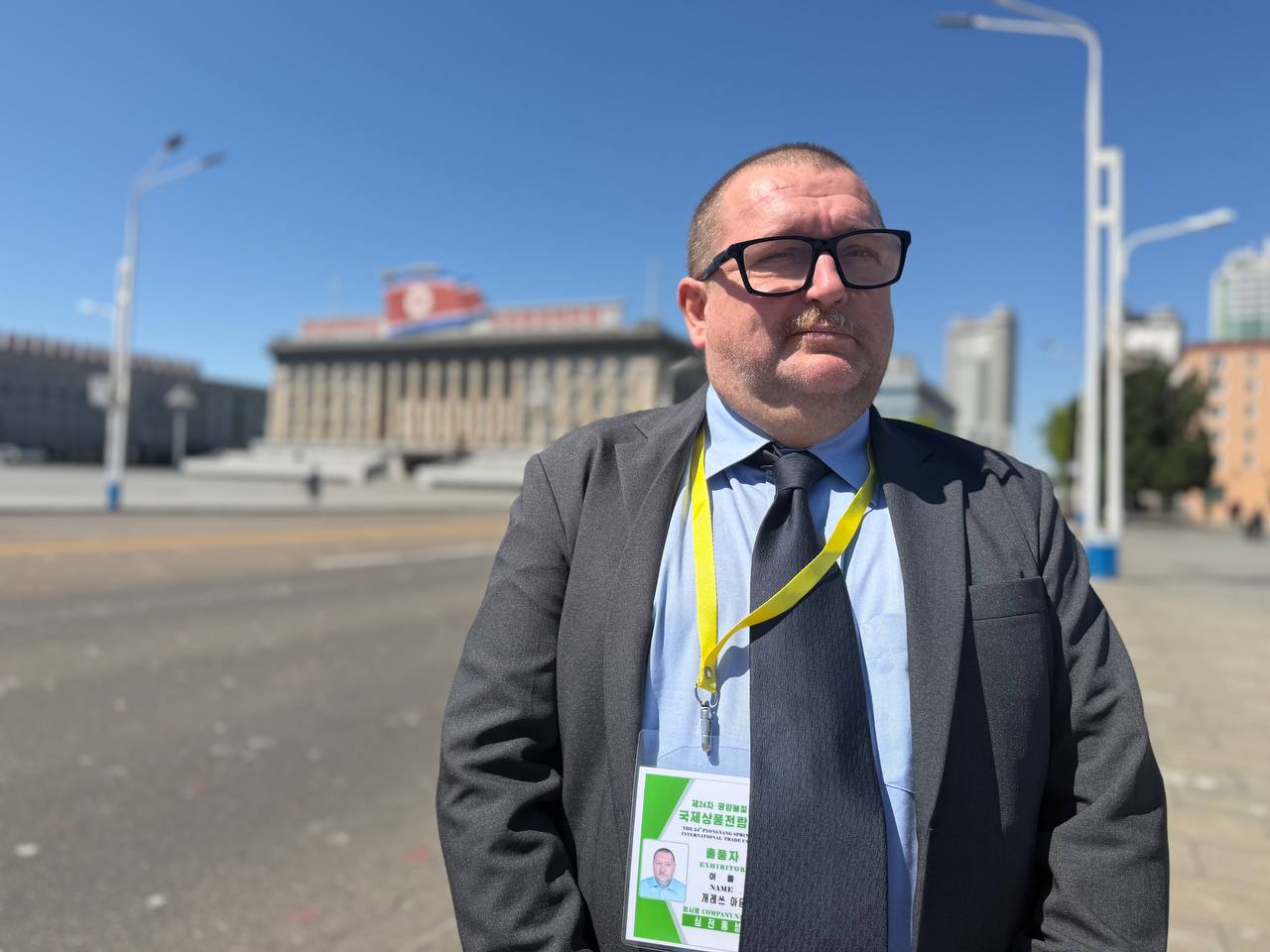
Pyongyang goes cashless is not something I ever thought I would see or hear! Even as someone who has lived in China for 20 years and travelled to the DPR Korea on and off for 18 years, I never thought I would see the day when North Korea would change and embrace the digital age.
The changes though did not stop there, with the local intranet and smartphones now at a level where North Koreans can do all the same things we do. This includes ordering taxis, groceries and food online, as well as paying bills. All of this is done in front of the backdrop of Pyongyang under a building, restaurant, bar and financial boom.
To say this is not the North Korea I remember would be an understatement.
Table of Contents


North Korea 2008 – 2026
I first travelled to North Korea way back in 2008 at the start of Young Pioneer Tours. This was of course when Generalissimo Kim Jong-Il was still in power and the economy of the country was struggling. At this time there were next to no plush restaurants, zero taxis, few private cars, frequent power cuts and few lights. The economy of the country, while having private elements, was also much more under state control.
Fast forward to 2026 and almost none of that is true. From the start of the time of Marshal Kim Jong-un, restaurants have polished to a stage now where you can get everything from fried chicken to German sausages. Taxis are now everywhere, but also so are private cars and indeed traffic jams. In the old days yellow number plates, which denote private cars within the country, were so few I might see one in a week, now they dominate the traffic-filled streets. OK, so it is not yet Jakarta, but traffic is traffic.
I think it is the lights that tell one of the biggest stories. In 2008 the Ryugyong Hotel was a huge white elephant with a rusting crane on top. Now it sits proud, fully lit with neon lights and a real central focal point of the country. More telling still though are the new districts such as Hwasong, which has been dubbed “Pyonghattan” by some. These districts are not just places for extra housing, but with their restaurants, bars and even car dealerships are designed places to be for the fast-growing urban middle class of North Korea.
And lastly, the real biggest change is the use and infiltration of smartphone culture via the North Korean intranet.


The North Korean Intranet
The DPRK is actually much more connected internally than most people think, with me communicating with business partners and feeds there online. It is though not available to the masses; for the masses there is the intranet. This is basically an internet for local people. This means it is not connected to the World Wide Web, meaning people inside cannot get out and outside cannot get in.
Back in the day this was a very limited system, but has grown over the years to what it is today. This has gone from just a few websites, email and limited social networks to what it is today: a mirror-like system with apps and almost everything you would find in the West. In many respects it actually looks like the Chinese internet if you do not have a VPN.


Cell Phone Culture and FinTech in North Korea
Cell phones originally entered North Korea via Thailand in the early 2000s, at which point they were owned by very few people. This changed after a reported explosion on the train from Pyongyang to Sinuiju. It was rumoured that this was an assassination attempt using a mobile phone and after this they disappeared. This meant that when you entered the country from 2008–2011 your phone had to quite literally be left at the airport or sealed in an envelope for the duration of your stay.
This changed when Orascom of Egypt entered the fray by setting up the joint venture Koryolink, which would be the North Korean flagship carrier. In the subsequent years phone usage exploded, but it was during the last five years that the fintech element happened. This seems to have been a concerted government attempt, with everything accelerating since the 2022 recalibration back to US dollars. Since then, four payment apps have been introduced using QR code systems rather than USD or Korean won cash. These look and resemble Alipay and have had largely the same effect.
This meant that at the trade fair there were times when you could quite literally not even pay with cash, with only apps being accepted. This would have been simply unheard of in Pyongyang just a few years ago.


This digital economy does not stop there though. Not only can Koreans now pay all bills and receive salaries online, but also do all the same things we do via apps. This includes delivery drivers, taxis and generally everything else you can imagine that we do by app. This will seem weird and crazy to some, but again it is not all that different to the parallel internet world of China. Same, same, but different as they say.
And as Pyongyang goes cashless and the city continues to expand, it is honestly truly a very exciting time to visit the DPRK. I for one am pretty excited to be going back in October.