
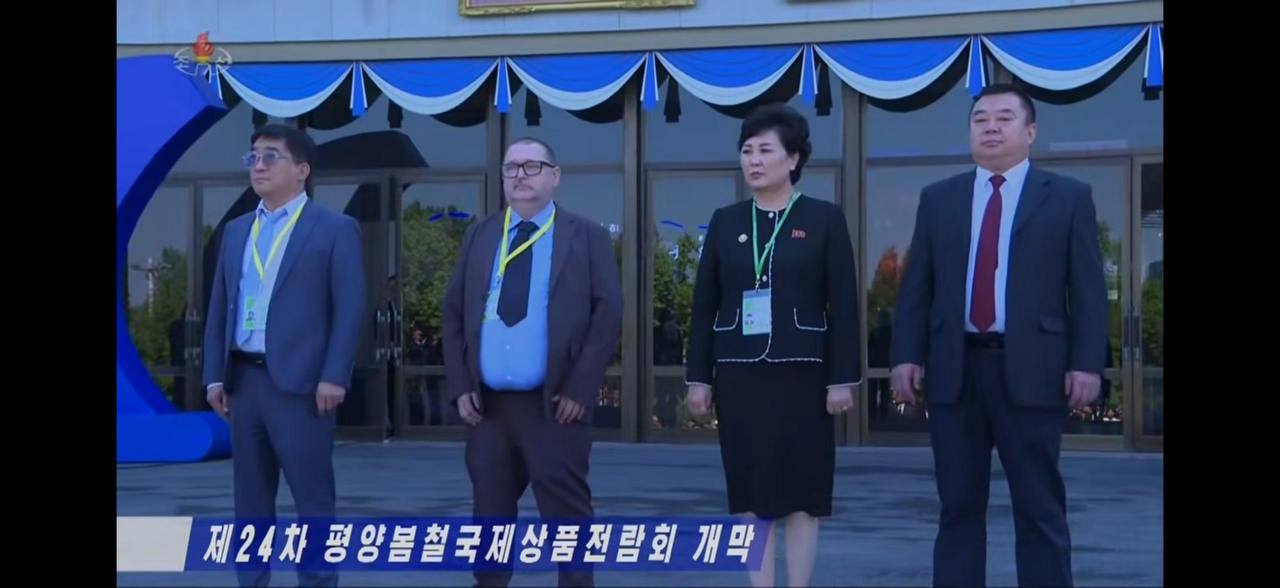
I have just come back from attending the 24th Pyongyang Spring Trade Fair and not to put too fine a point on it, but it was epic. And were that not enough it also allowed me to visit Pyongyang for the first time in 6 whole years.
Now before the haters start hating I will add that this was not, as is usually the case with Young Pioneer Tours, but as part of a trade delegation. OK, disclaimer out of the way, how was the trade fair?
Table of Contents


What the Pyongyang Spring Trade Fair?
The Pyongyang Spring Trade Fair has long been one of the key commercial exhibitions in North Korea, bringing together domestic industries and, when conditions allow, limited international participation. Historically it has been used to showcase industrial output, consumer goods, and joint venture opportunities, with past editions largely dominated by Chinese and North Korean firms.
Since the pandemic, however, this edition marked the first time it has regained a genuinely international feel, with more foreign delegations present and a noticeable increase in commercial energy. The timing also reflects Pyongyang’s broader push to revive trade activity and promote domestic consumption in what is clearly a city experiencing an economic and consumer boom.


What was being showcased at the Pyongyang Spring Trade Fair?
The primary nexus of the Pyongyang Spring Trade Fair seemed to be consumer goods aimed at the Pyongyang middle class, or local businesses catering to said class with money to spend. Business-wise they fell into two categories, Chinese and North Korean businesses. There were exhibitors from other nations, but on a very minor level.
Primary among the North Korean offerings were the two major cell phone companies. These had old school non-digital phones for as little as $25, but also top of the range North Korean smartphones for $510. North Korea is currently all about everything digital, which I will get onto in a bit. Other key North Korean ones focused on a number of areas, with Korean medicine being a core one.
And then there was the Chinese! This was where the whole consumer element came in with everything from LED lights, blenders and even foldable e-bikes. This much like China is a big thing in Pyongyang. For the most part as well it was also payment digitally. North Korea now has no less than 4 payment apps in the ilk of WeChat and AliPay that have turned things almost cashless. In fact I had issues even buying food without a phone app, instead needing local help. It though does not stop there with the digital revolution meaning taxis, food and all other manner of things can now be ordered from a North Korean smartphone.
Yes it is not the internet and yes it is the “intranet”, but this is far and away from the intranet of old and is now more akin to the Chinese version after you factor in the Great Firewall of China. Things are afoot in Pyongyang.


Street food at the Pyongyang Trade Fair
I was a wee bit sad about the lack of freebies available throughout the trade fair, with me trying one Korean medicine drink and a beer being sold by a Chinese vendor. There was also not much of a food area unlike old times. Instead there was a smallish tent serving refreshments and food.
This included lots of Korean ramen (of course), Chinese yogurt drinks, but also a bit of Pyongyang street food. This included their take on California rolls, Korean BBQ, as well as corn hot dogs with mustard. This is a bit of a North Korean beer snack that I really enjoy. And the beer? Draft Taedonggang of course – although which one of the 8 I am not sure. Not pure North Korean street food jollies, but enough to keep me going.


So is North Korea reopening to tourism?
Sadly me attending the 2026 24th Pyongyang Spring Trade Fair is not, it seems, indicative of a wider reopening of North Korea to tourism, as much as we might like it. It is though evidence that not only is the country open for business, but if you really want to it is possible to visit.
I certainly plan to be back again….
Click to see my North Korea Tours with YPT.