
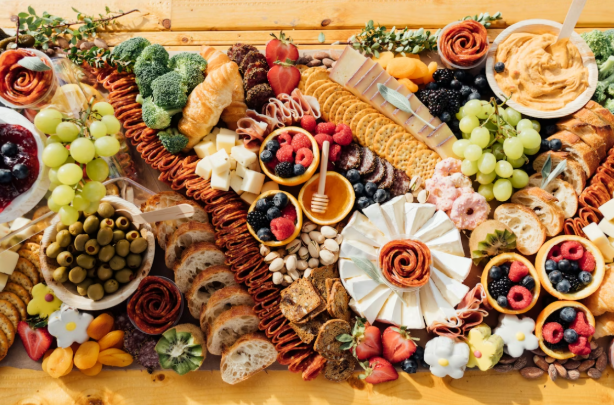
South Florida events reflect the region’s energy and diversity. Hosts expect more than a standard buffet. They want menus that feel local, photograph beautifully, and accommodate different diets. From Miami weddings and Fort Lauderdale receptions to Palm Beach galas and waterfront celebrations, catering services combine regional flavor with service. These food trends are redefining South Florida event catering.
Interactive Food Stations Create an Experience
Live stations are replacing long buffet lines because they turn dining into entertainment. Guests can watch chefs finish ceviche, sear mini arepas, carve churrasco, toss pasta, or assemble made-to-order tacos. A raw bar with oysters, seasonal stone crab, and citrus-forward sauces adds a coastal identity.
Interactive service also improves customization. Guests choose proteins, toppings, spice levels, and portions, while planners gain a focal point that encourages conversation. For outdoor events, compact stations positioned around the venue reduce congestion and keep service moving.
Latin, Caribbean, and Global Flavors Lead Menus
South Florida’s culinary identity is shaped by Cuban, Haitian, Jamaican, Colombian, Venezuelan, Peruvian, Brazilian, and Caribbean influences. Modern caterers use those traditions as a foundation rather than treating them as novelty themes. Menus may pair ropa vieja croquettes with avocado crema, jerk chicken skewers with mango glaze, or Peruvian-style seafood with ají amarillo.
The restaurant industry is also seeing demand for global comfort food, Caribbean flavors, spice, and familiar dishes with international twists. For South Florida events, this creates menus that feel adventurous yet approachable.
Plant-Forward Dishes Move to the Center
Vegetarian food is no longer limited to one pasta entrée. Caterers are building plant-forward experiences around roasted vegetables, grains, legumes, tropical fruit, mushrooms, and bold sauces. Examples include hearts-of-palm ceviche, mojo-roasted cauliflower, coconut rice bowls, grilled vegetable empanadas, and guava-glazed plantain bites.
This approach serves vegans and vegetarians without making other guests feel they are receiving a substitute meal. It also supports flexible menus where meat and seafood are optional additions. Industry forecasts emphasize vegetables, transparent ingredients, wellness, sustainability, and globally inspired comfort food.
Zero-Proof Drinks Receive Premium Treatment
Mocktails have become a serious part of event planning. Instead of offering soda as the only alcohol-free choice, beverage teams create drinks with fresh citrus, herbs, tea, ginger, tropical fruit, and nonalcoholic spirits. A passion-fruit mojito, cucumber-lime spritz, or hibiscus paloma can match the menu and visual style.
A polished zero-proof bar makes weddings, daytime functions, corporate events, and family celebrations more inclusive. It gives every guest a signature beverage worth photographing. Balanced, less-sweet drinks with fresh ingredients are increasingly central to alcohol-free entertainment.
Sustainability Becomes Practical
Sustainable catering is moving from broad promises to visible choices. Hosts ask about local sourcing, seasonal ingredients, reusable serviceware, compostable disposables, food donation, and accurate portion planning. Streamlined menus can reduce waste while allowing kitchens to execute each dish consistently.
South Florida caterers can design menus around ingredients suited to the climate and season. Tropical fruit, local seafood, fresh herbs, and sturdy chilled dishes create a sense of place while supporting efficient service. National industry research identifies sustainability, local sourcing, and food-waste reduction as continuing priorities.
Menus Are Designed for the Climate
Heat and humidity matter, especially at gardens, beaches, rooftops, and private homes. Successful menus prioritize dishes that hold their texture, safe serving temperatures, shaded beverage stations, and fast replenishment. Chilled seafood, fruit-forward salads, grilled skewers, handheld appetizers, and refreshing desserts often perform better than heavy plated courses outdoors.
Experienced teams plan setup times, ice capacity, covered displays, and backup service areas. Working with a local specialist such as miamiplatecatering.com helps hosts create a menu that fits the venue, guest list, service style, and South Florida conditions.
Personalization Is the New Standard
The most important trend is personalization. Couples may feature foods from both families, companies may create branded desserts, and milestone celebrations may reinterpret a guest of honor’s favorite meal. Clear dietary labels, smaller portions, late-night snacks, and curated tasting menus make the experience feel intentional.
South Florida catering is becoming more interactive, inclusive, locally expressive, and climate-aware. The events guests remember are not necessarily those with the largest menus. They are the ones where every dish feels connected to the people, place, and purpose of the occasion.
Conclusion
The leading South Florida catering trends all point toward one goal: creating a memorable guest experience that feels personal, inclusive, and connected to the region. Interactive stations, Latin and Caribbean flavors, plant-forward dishes, premium mocktails, sustainable practices, and climate-conscious planning allow hosts to deliver events that are both stylish and practical.
Whether planning a Miami wedding, a Fort Lauderdale corporate gathering, or a Palm Beach celebration, choosing a caterer that understands local tastes, venues, weather, and service expectations can make a significant difference. A thoughtfully designed menu does more than feed guests; it becomes an essential part of the event’s atmosphere, story, and lasting impression.