
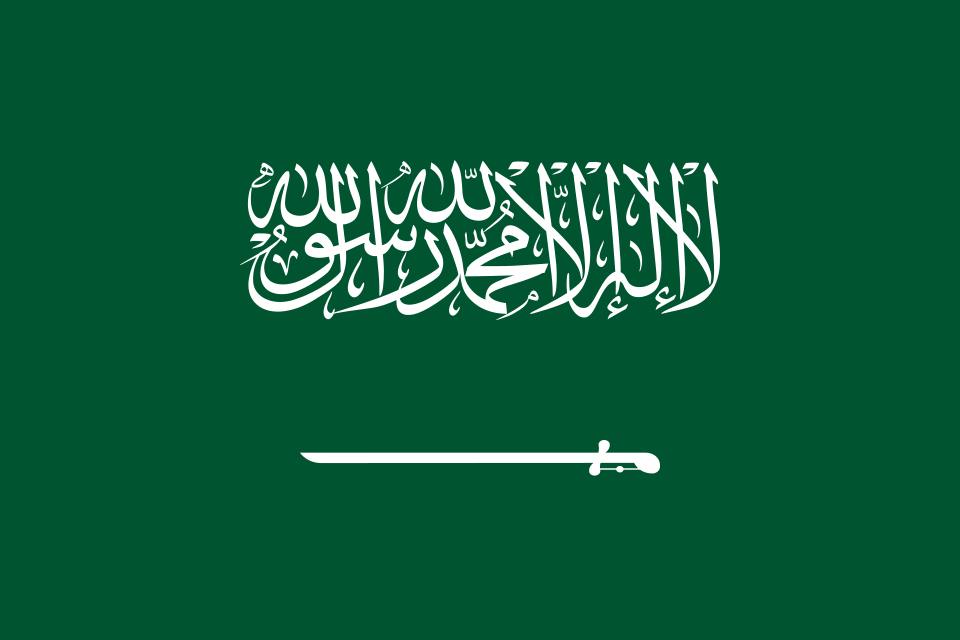
When people think about the languages of Saudi Arabia, they usually assume it is simple. Arabic country, Arabic language, nothing more to say. That might work if you are writing a lazy guidebook, but it is not how things actually function on the ground. The reality of the languages of Saudi Arabia is a layered mix of formal Arabic, regional dialects, migrant languages, and a level of English that ranges from excellent to completely nonexistent depending on where you are.
Understanding the languages of Saudi Arabia is not just academic nonsense either. It directly affects how easy your trip is, how well you interact with people, and whether you end up overpaying for things because you cannot communicate properly.
Click to see the most beautiful places in Saudi.
Table of Contents
Arabic and the Core of Languages of Saudi Arabia
At the heart of the languages of Saudi Arabia is Arabic. It is the official language, the language of religion, and the language that ties the whole country together. You will see it on every sign, hear it in every conversation, and deal with it in every official setting.
That said, Arabic in the context of the languages of Saudi Arabia is not one single uniform thing. There is a split between formal Arabic and what people actually speak on the street, and if you do not understand that distinction you will be confused very quickly.


Modern Standard Arabic in Saudi Arabia
Modern Standard Arabic forms the backbone of the formal side of the languages of Saudi Arabia. This is what is used in government, media, education, and anything that needs to look official or serious.
If you have studied Arabic before, this is almost certainly what you learned. The advantage is that it is understood everywhere in the country, so it gives you a solid foundation when navigating the languages of Saudi Arabia.
The downside is that nobody really speaks it casually. Using it in everyday conversation can make you sound stiff and unnatural, but it will still get you understood.
Useful phrases for navigating the languages of Saudi Arabia
Hello
As salaam alaikum
How are you
Kayfa haluk
Thank you
Shukran
Yes
Na’am
No
La
These phrases are simple, but they work across the entire spectrum of the languages of Saudi Arabia.
Dialects and Real World Languages of Saudi Arabia
If you want to understand the languages of Saudi Arabia properly, you need to get your head around dialects. These are what people actually use in daily life, and they vary depending on the region.
Najdi Arabic dominates the central areas like Riyadh. Hejazi Arabic is common in the west around Jeddah and Mecca. Eastern regions lean towards Gulf style speech, while the south has its own variations influenced by Yemen.
This diversity is a defining feature of the languages of Saudi Arabia. It means that what you hear in one city might sound quite different in another, even though it is technically the same language.
Useful street phrases within the languages of Saudi Arabia
Hello
Ahlan or Hala
How are you
Keef halak
Good
Tayyib or Zain
Let’s go
Yalla
No problem
Ma fi mushkila
Using even one or two of these correctly can massively improve how you navigate the languages of Saudi Arabia in real situations.
Religion and Languages of Saudi Arabia
Religion plays a huge role in shaping the languages of Saudi Arabia. As the center of the Islamic world, the country attracts millions of visitors every year, and religious expressions have become embedded in everyday speech.
Phrases like Inshallah and Alhamdulillah are used constantly, not just in religious contexts but in normal conversation. This adds another layer to the languages of Saudi Arabia, where meaning is not just linguistic but also cultural.
Understanding these expressions helps you follow conversations and respond in a way that feels natural within the context of the languages of Saudi Arabia.

English Within the Languages of Saudi Arabia
English is an important part of the modern languages of Saudi Arabia, particularly in urban areas. In cities like Riyadh and Jeddah, you can function quite comfortably using English in hotels, restaurants, and shops.
Younger Saudis often speak decent English, and there is widespread exposure to international media, which helps. Many signs and menus are bilingual, making it easier to navigate the languages of Saudi Arabia without full Arabic fluency.
However, English is not universal. Outside major cities, or when dealing with older generations, English levels can drop sharply. This is where understanding even basic elements of the languages of Saudi Arabia becomes extremely useful.
The key is to keep your English simple. Avoid slang and complicated phrasing. The clearer you are, the better your chances of being understood within the wider framework of the languages of Saudi Arabia.
Migrant Languages of Saudi Arabia
One of the most overlooked aspects of the languages of Saudi Arabia is the sheer number of migrant languages in use. A large percentage of the population consists of foreign workers, and they bring their languages with them.
This creates a multilingual environment that is essential to understanding the real languages of Saudi Arabia on the ground.
Urdu and Hindi in Saudi Arabia
Urdu and Hindi are among the most widely spoken migrant languages of Saudi Arabia due to the large number of workers from Pakistan and India. In some situations, especially in informal settings, these languages are more useful than Arabic.
Useful phrases
Hello
Salaam
How are you
Aap theek hain
How much
Kitna
These phrases can be surprisingly practical when dealing with the migrant side of the languages of Saudi Arabia.
Tagalog and Southeast Asian Languages
Tagalog is another key component of the languages of Saudi Arabia, thanks to the large Filipino workforce. You will hear it in hotels, restaurants, and service roles across the country.
Simple phrase
Thank you
Salamat
Other languages such as Bengali, Tamil, and Malayalam also contribute to the overall mix, reinforcing the idea that the languages of Saudi Arabia go far beyond just Arabic.
Street Reality of Languages of Saudi Arabia
At street level, the languages of Saudi Arabia are often used in combination rather than isolation. Conversations can shift between Arabic, English, and migrant languages depending on who is involved.
You might order food in English, confirm the price in Arabic, and hear staff speaking Urdu to each other. It sounds messy, but it works.
This fluid approach is what makes the languages of Saudi Arabia functional despite their complexity.
Cultural Aspects of Languages of Saudi Arabia
Politeness and respect are central to how the languages of Saudi Arabia are used. Greetings are important, and making the effort to use Arabic phrases can improve interactions significantly.
Saying As salaam alaikum when entering a shop or greeting someone sets a positive tone. Using expressions like Inshallah in the right context shows cultural awareness.
The languages of Saudi Arabia are not just about words, they are about how those words are used within a cultural framework.
Practical Tips for Navigating Languages of Saudi Arabia
Learn a few Arabic basics before arriving. Even minimal effort helps when dealing with the languages of Saudi Arabia.
Use English in cities, but do not rely on it completely. Be ready to adapt when necessary.
Expect communication to vary depending on region and situation. The languages of Saudi Arabia are not uniform.
Be patient. Conversations might take time, but they usually work out.
Final Thoughts on Languages of Saudi Arabia
The idea that the languages of Saudi Arabia are simple is completely wrong. Arabic may dominate, but it exists in multiple forms, each with its own role. English adds another layer, particularly in urban areas. Migrant languages create yet another dimension that shapes everyday communication.
Understanding the languages of Saudi Arabia does not require fluency, but it does require awareness. If you make a small effort, keep things simple, and stay flexible, you will find that communication is rarely a barrier.
In the end, the languages of Saudi Arabia are not something to fear. They are part of what makes the country interesting. Learn a few words, use them when you can, and the rest tends to fall into place.
Click to see out Saudi Arabia Tours.