
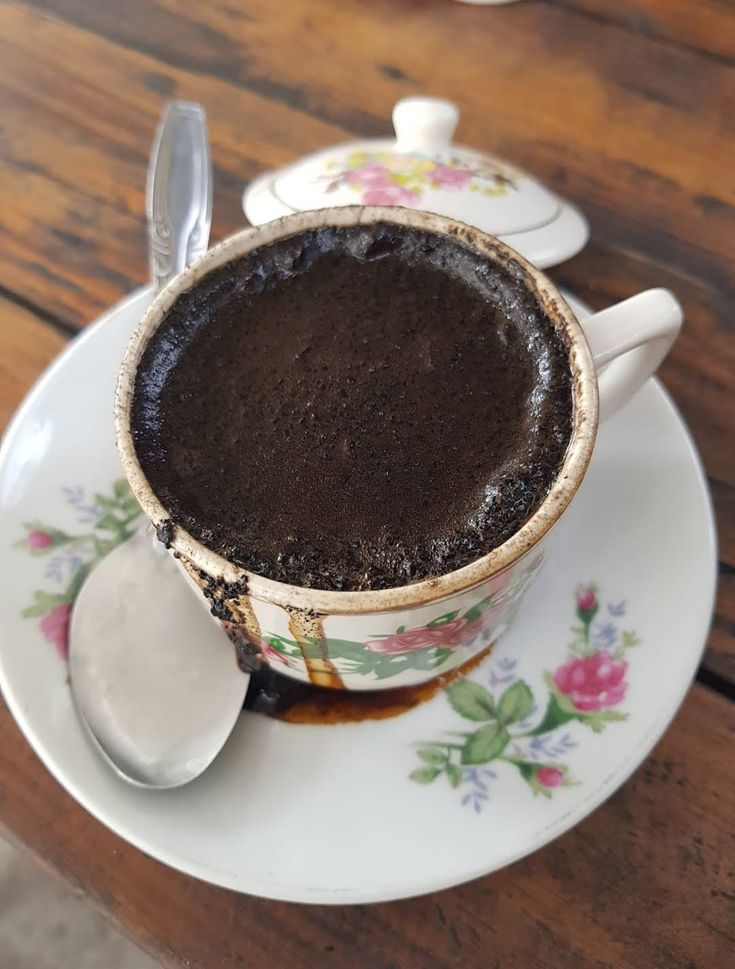
Walk down any night-market lane in Bangkok, Hanoi, or Medan and your senses get pulled in a dozen directions at once: charcoal smoke, frying garlic, the clatter of woks against the evening air. But linger a moment and you notice something quieter humming underneath the food. The drinks. Across Southeast Asia, the beverage cart is as much a fixture of street life as the noodle stall, and the brews poured from battered aluminum kettles carry centuries of history in every glass.
These drinks are rarely an afterthought to a meal. In much of the region, the beverage is the reason to stop, sit, and stay awhile. It is the excuse to occupy a plastic stool for an hour, to argue about football, to wait out the punishing afternoon heat. Learning the traditional brews of the street is one of the best ways to understand the rhythm of the street itself.
The Roadside Kettle as a Social Institution
Long before air-conditioned cafes arrived, the roadside drink stall was the region’s living room. A tin awning, a few low stools, and a kettle kept perpetually near the boil were all it took to create a gathering place. Vendors built reputations on a single recipe, handed down through a family and tweaked over decades. Regulars were known by their order. The stall was where news traveled, deals were struck, and strangers were folded into conversation.
Part of what makes these traditions so durable is their frugality. Most rely on ingredients that grow locally and cheaply: tea leaves, coffee, pandan, ginger, tamarind, palm sugar, and a rotating cast of barks and roots. Nothing exotic, nothing imported. The genius is in the technique and the ratios, refined by people who served hundreds of cups a day.
Thailand’s Sweet Ritual: Cha Yen and Its Cousins
Few street drinks are as instantly recognizable as Thai iced tea, or cha yen: that vivid orange glass sweating in the heat, crowned with a swirl of condensed and evaporated milk. The color comes from strongly brewed black tea, historically rounded out with spices and a touch of tamarind or star anise. It is aggressively sweet by design, because sugar and fat are the point, delivering a jolt of energy and cool relief in a single tall glass.
Alongside it you will find cha dam yen, the same tea served black over ice, plus lime teas and chrysanthemum coolers. Each vendor guards a slightly different formula, and asking for your drink “wan noi,” or less sweet, marks you gently as someone who visits often.
Vietnam’s Slow-Drip Coffee Culture
Cross into Vietnam and coffee takes over. French colonists brought the beans, but the Vietnamese made the ritual entirely their own. The single-cup phin filter drips dark, slow, and strong over a bed of sweetened condensed milk, a workaround born in an era when fresh milk was scarce. The result, ca phe sua da, is thick enough to stand a spoon in and strong enough to reset your whole afternoon.
From that base grew a whole family of inventions: egg coffee whisked with yolk and sugar into something like a warm custard, coconut coffee, even yogurt coffee. Each is served on the same low stools, at the same unhurried pace. Speed is never the goal here. The drip sets the tempo.
The Herbal Brews: Roots, Barks, and Leaves
Beyond tea and coffee sits a deeper, older category: the herbal brews. Across Thailand, Malaysia, and Indonesia, vendors sell cooling drinks steeped from chrysanthemum, roselle, pandan, lemongrass, ginger, and butterfly-pea flower, the last of which turns a startling electric blue and shifts to purple when you squeeze in lime. In Indonesia, jamu, the traditional turmeric-and-tamarind tonic, is still ladled from glass bottles carried by vendors on foot each morning.
These drinks blur the line between refreshment and remedy in local culture, though here we are strictly interested in them as food heritage. They represent a kind of botanical literacy, a working knowledge of which leaves and roots make a good brew, passed down over generations of roadside cooks.
Kratom: The Leaf of the Southern Provinces
Among those botanicals is kratom (Mitragyna speciosa), a tropical tree in the coffee family native to Thailand, Malaysia, Indonesia, and neighboring countries. For generations it grew in backyards and along field edges in southern Thailand, where laborers and farmers were known to pick a few fresh leaves and chew them, or crush and steep them into a simple, bitter tea to sip through a long day of manual work in the sun and humidity.
As a piece of food and folk history, kratom tea sat in the same everyday category as a strong coffee or a pot of roadside tea: a homemade brew woven into the working rhythm of rural life. Preparation was unfussy. Leaves were simmered in water, sometimes sweetened, often shared among a crew. It rarely appeared on tourist menus and remained, for a long time, a local custom rather than an export.
Today the leaf reaches a global audience most often as a dried powder, and modern vendors such as kingdomkratom.com supply it much the way a specialty tea or coffee roaster would, with attention to sourcing and lab testing. That said, kratom’s legal status varies widely. It is regulated, restricted, or banned in some countries and in certain U.S. states, so anyone curious about it should check the rules where they live before seeking it out.
A Note for the Curious Traveler
The joy of these drinks is inseparable from the setting. A glass of cha yen tastes different on a Bangkok curb at dusk than it ever will from a carton. If you travel through the region, approach the drink cart with the same curiosity you bring to the food: ask what is in season, watch how the regulars order, and accept that the best recipes are rarely written down. Tip well, learn a word or two, and treat the vendor as the craftsperson they are.
It is worth remembering that these traditions belong to living communities, not to a museum. The blue-flower cooler and the phin-filter coffee are not novelties; they are somebody’s daily routine, sold by families who have poured the same drink for decades.
Bringing the Ritual to Your Own Kitchen
You do not need a plane ticket to honor these traditions. Brew a pot of strong black tea and finish it with condensed milk over ice. Track down a phin filter, which costs next to nothing, and slow your morning coffee down to a drip. Steep dried butterfly-pea flowers and watch the color bloom. Each small ritual is a doorway into a food culture that treats the humble drink not as fuel to be gulped, but as a reason to pause, sit down, and stay a little longer than you had planned.