
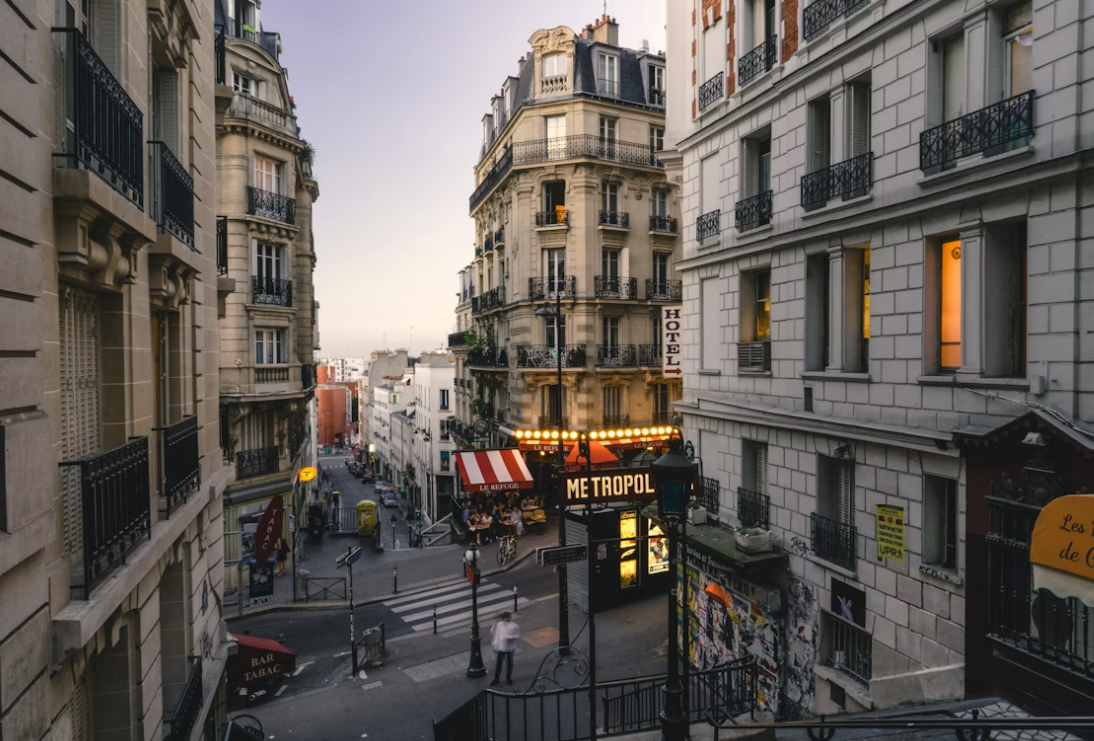
A group trip to Madrid can either turn into one of those weekends everyone still talks about years later, or it can dissolve into arguments about restaurant budgets and who wanted to sleep in. The difference usually comes down to planning decisions made weeks before anyone boards a plane. Here’s how to set up a Madrid trip that actually works for a group of friends with different interests, energy levels, and wallets.
Pick Dates That Match the City’s Rhythm
Madrid changes personality depending on the season, and that matters more for group trips than solo ones. Summer (June through August) brings intense heat, with afternoons regularly hitting 95°F, which pushes locals indoors or into siesta mode between 2 and 5 p.m. That’s fine if the group wants late nights and lazy midday breaks, but it’s rough if anyone wants to sightsee at noon.
Spring and fall offer milder weather, thinner crowds at major sites, and lower hotel rates. San Isidro in mid-May turns the city into a weeks-long street festival with free concerts and traditional dress, which is worth building a trip around if the timing lines up. Avoid planning around August 15, when many small restaurants and shops close for the traditional summer break — a detail that surprises a lot of first-time visitors.
Settle on a Home Base Everyone Can Reach
Where the group stays affects everything else, from how much walking happens to how late people are willing to go out. Malasaña and Chueca sit close to nightlife and casual dining, with a younger, artsy feel that suits groups who want to wander between bars. Sol and Centro put you within walking distance of the Royal Palace, Plaza Mayor, and the Prado, which cuts down on transit time for sightseeing-heavy itineraries.
For larger groups, renting an apartment through a platform like Airbnb or a local agency often works out cheaper than booking multiple hotel rooms, and it gives everyone a shared living room to regroup in before heading out. Look for places within a ten-minute walk of a metro stop — Madrid’s metro system is clean, cheap, and runs until 1:30 a.m. on weekdays and all night on weekends, which matters when the group splits up.
Build a Loose Itinerary, Not a Rigid One
The biggest mistake groups make is overplanning. Trying to hit the Prado, Reina Sofía, Retiro Park, and a flamenco show all in one day sounds efficient on paper but exhausts everyone by hour six. Instead, pick one major activity per half-day and leave room for detours, long lunches, and the inevitable person who wants to stop for churros twice.
For the museums, buying the Paseo del Arte pass covers the Prado, Reina Sofía, and Thyssen-Bornemisza for a discounted combined price, and it’s worth it if at least two of the three interest the group. If the group includes people who’d rather skip museums entirely, split up for a few hours and reconvene for a shared meal — nobody needs to do everything together.
For those who’d rather not plan every detail themselves, booking a few guided Madrid tours can take the pressure off, especially for history-heavy stops like the Royal Palace or the old Jewish quarter, where a knowledgeable guide adds context that’s easy to miss on a self-guided walk.
Plan Meals Around Madrid’s Actual Schedule
Spanish dining hours trip up a lot of visitors. Lunch runs from 2 to 4 p.m., and dinner rarely starts before 9 p.m. — restaurants often don’t open their kitchens until then. Showing up at 6:30 expecting a full dinner will leave the group standing outside a locked door.
Tapas crawls solve the group-dining problem better than sit-down restaurants, since they let people order small plates to share and move between spots without committing to one menu. Mercado de San Miguel is touristy but genuinely fun for a first night, while Cava Baja street in La Latina offers a more local, less crowded tapas scene with better prices.
Set a Shared Budget Early, Not Mid-Trip
Money disagreements ruin more group trips than bad weather ever does. Before departure, agree on a rough daily budget for food and drinks, and decide upfront how splitting costs will work — an app like Splitwise keeps things transparent without anyone having to bring up money in the moment.
Also decide which activities are optional versus group-wide. Not everyone wants to pay for a flamenco show or a bike tour, and that’s fine, as long as it’s discussed before the trip rather than negotiated awkwardly on the street.
Leave One Day Completely Unplanned
Every group trip benefits from a day with zero agenda. Madrid rewards aimless wandering — a walk through Retiro Park, an afternoon at El Rastro flea market on a Sunday, or just sitting at an outdoor café watching the city move. These unplanned hours often become the moments people remember most, precisely because nobody rushed them.
The trips that hold up best in memory aren’t the ones with the most checked boxes. They’re the ones where the schedule left enough breathing room for the group to actually enjoy being in Madrid together, rather than just moving through it.