
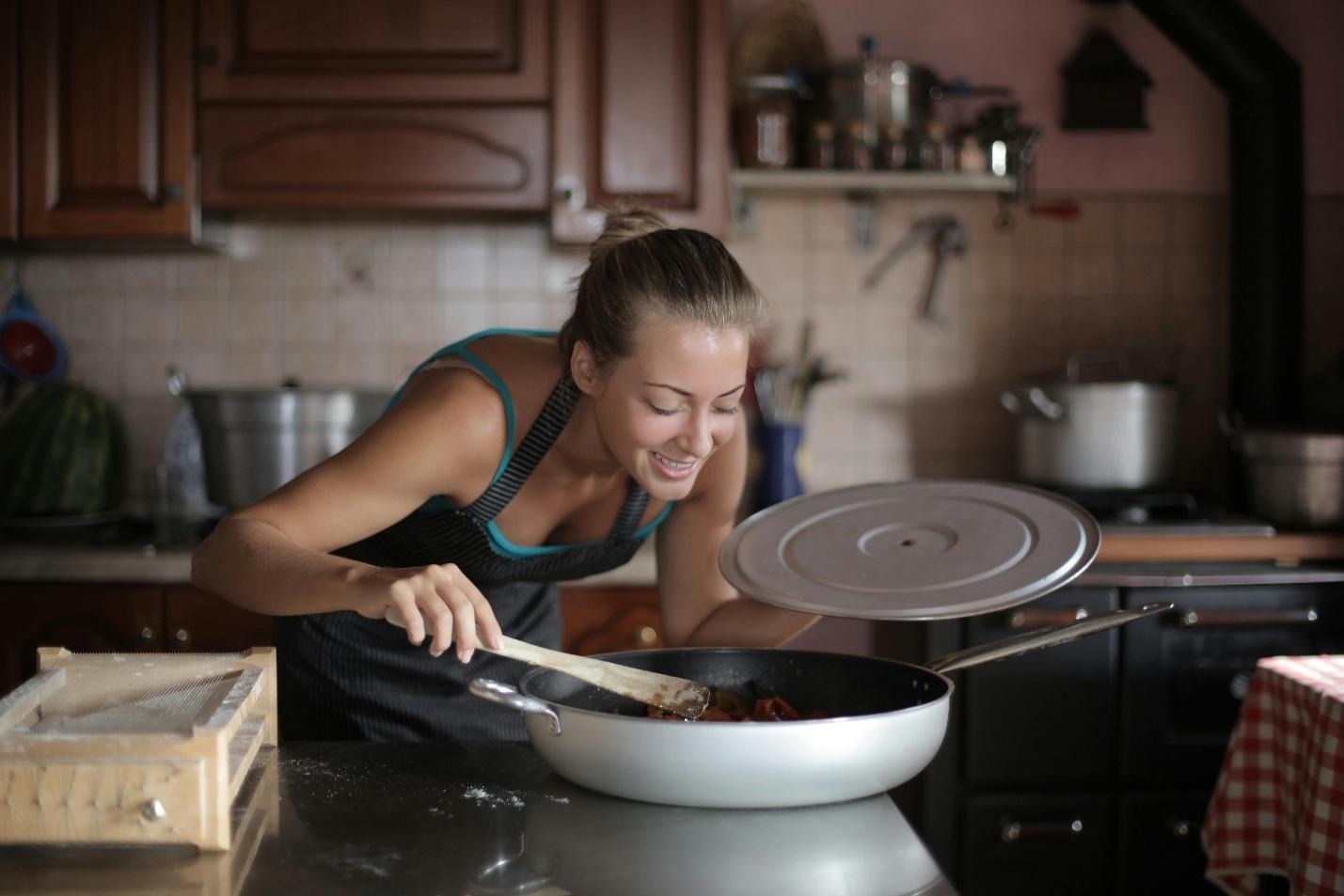
You open the fridge, stare for a bit, and end up making the same thing again. It is not that you do not like the food; it just feels automatic at this point.
That is how most home cooking routines settle over time. A few reliable meals get repeated because they work, they are easy, and they do not require much thought after a long day. But somewhere in that convenience, the interest fades. Cooking turns into a task instead of something you actually look forward to.
When Routine Starts to Feel Like a Loop
Repetition in cooking is not always a bad thing. It saves time, reduces waste, and keeps things predictable. But it also narrows what you try. You stop experimenting, not because you cannot, but because you do not see the point in the middle of a busy week.
The problem is not the meals themselves. It is the lack of variation. Same ingredients, same flavors, same process. Even small changes start to feel unnecessary, so they get skipped. Over time, this creates a kind of fatigue. You still cook, but without much interest. The kitchen becomes functional, not engaging. And once that shift happens, it is hard to break out of it without doing something slightly different on purpose.
A Different Way to Introduce Variety at Home
One approach that has started to show up more is structured variety. Not random recipes pulled from the internet, but guided ways to try something new without overthinking it.
This usually involves having ingredients and instructions already planned out, so the effort goes into cooking rather than deciding what to cook. It removes one layer of friction, which is often the part that stops people from trying something new in the first place.
This is where a cooking subscription box for adults comes into the picture. Not as a replacement for regular cooking, but as a way to introduce new flavors and techniques without having to plan everything from scratch. It is less about convenience and more about breaking the pattern.
Changing One Ingredient at a Time
Not every shift needs to be big. Sometimes, changing a single ingredient can alter a dish more than expected. Swapping spices, trying a different type of grain, or using a new sauce can create a variation that feels new without requiring a full recipe overhaul.
This approach works because it keeps the base familiar. You are not learning everything from scratch. You are just adjusting parts of what you already know. Over time, these small changes build into a wider range of meals. It also reduces the pressure to get things right. If the change does not work perfectly, the rest of the dish still holds together. That makes experimentation feel less risky.
Letting Curiosity Drive the Kitchen
A lot of cooking routines become rigid because they are tied to habit rather than curiosity. Meals are planned based on what is known, not what is interesting.
Shifting that slightly can make a difference. Instead of asking what is easiest to cook, asking what sounds different or unfamiliar can lead to new ideas. It does not have to be complicated. Even trying a dish from a cuisine you do not usually cook can change the pace. Curiosity does not need to be constant. It just needs to show up often enough to keep things from feeling stale.
The Role of Time and Energy
One reason routines stay fixed is time. After work, energy is limited, and cooking something new feels like extra effort. That is understandable. But variety does not always require more time. It sometimes requires a different use of time. Preparing ingredients earlier, cooking in batches, or setting aside one day a week for something new can help balance things out. It is not about turning every meal into an experiment. It is about creating space for change without disrupting the rest of the routine.
Why Familiar Meals Still Matter
Even with more variety, familiar meals have their place. They provide stability, especially on days when cooking feels like a chore. The goal is not to replace them, but to avoid relying on them entirely. A mix of familiar and new tends to work better than trying to change everything at once. This balance keeps cooking manageable while still allowing for variation. It also makes new meals feel more noticeable when they do happen.
Paying Attention to Flavor, Not Just Recipes
Recipes are useful, but they are not the only way to approach cooking. Focusing on flavor can open up more flexibility. Instead of following steps exactly, thinking about taste, texture, and balance can lead to adjustments that feel more personal. Adding something acidic, increasing spice, or changing how something is cooked can shift a dish in subtle ways.
This approach takes time to develop, but it makes cooking less dependent on specific instructions. It turns the process into something more adaptable.
Letting Mistakes Happen Without Overthinking
Trying new things in the kitchen does not always work out. Some dishes will not turn out as expected. That is part of the process. The problem is when mistakes are taken too seriously. That can make people avoid trying again. In reality, most cooking mistakes are manageable. The dish might not be perfect, but it is rarely a complete loss. Allowing for that imperfection makes it easier to keep experimenting. It removes the pressure to get everything right on the first try.
When Cooking Feels Different Again
At some point, the routine shifts. Meals feel less repetitive, and there is a bit more interest in what is being made. It is not a dramatic change, just a gradual one. The kitchen starts to feel less like a place for tasks and more like a space where things can vary. That does not mean every meal is exciting, but it does mean fewer meals feel dull.
Adding variety to home cooking is not about constant change. It is about making small adjustments that break the pattern just enough to keep things from feeling stuck. Over time, those small shifts add up, and the routine starts to feel a little less predictable.