
Most people give the Atacama three days. That’s enough to catch a sunset at the Valle de la Luna and maybe squeeze in a geyser field at dawn — but it’s not really enough to understand the place. Four to seven days is the sweet spot for most travelers, and here’s how to think through what’s right for you.
Why the Atacama Rewards Slower Travel
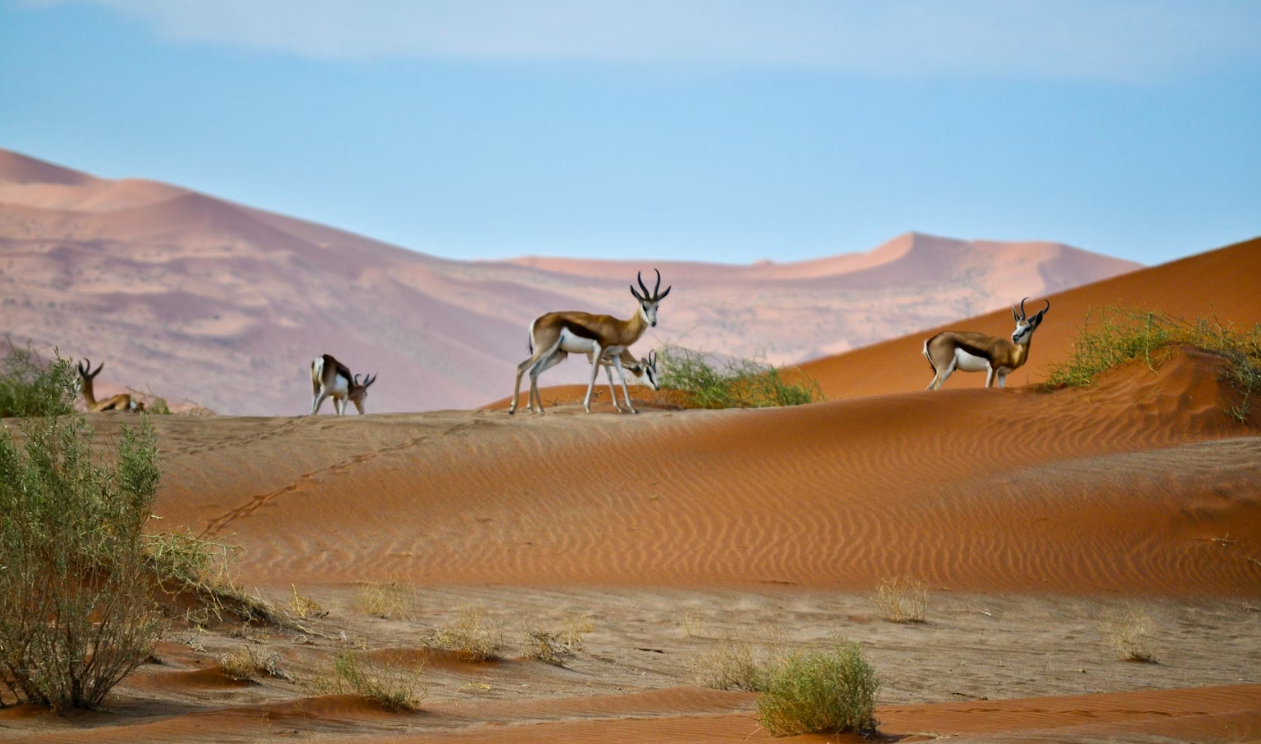
The desert looks deceptively simple from photos. Rust-colored rocks, salt flats, the occasional flamingo. But the landscape shifts dramatically depending on altitude, time of day, and where exactly you are within the region. The area around San Pedro de Atacama alone covers dozens of distinct zones, and rushing between them means missing the subtlety that makes the place memorable.
The Case for a 3-Day Trip
Three days works if you’re connecting through Chile on a longer South America itinerary and the Atacama is one stop among several. You can realistically cover the Valle de la Luna, the El Tatio geysers (an early wake-up, but worth it), and the Laguna Cejar salt lagoon without feeling completely frantic.
The catch is that you’ll be moving fast, and the Atacama at altitude hits some people harder than expected. San Pedro sits at around 2,400 meters, and El Tatio is above 4,200 meters. Three days doesn’t leave much buffer if you need a slow morning to adjust.
What a 5-Day Stay Actually Looks Like
Five days is probably the most balanced option for first-timers who want substance without over-committing. You get a full acclimatization day at the start, which most people use to wander San Pedro’s streets, visit the local market, and take an easy afternoon walk to the Pukará de Quitor ruins.
From there, you can spread the major sites across the remaining days without the alarm-clock-at-3am feeling dominating every morning. You’ll also have a proper evening free for stargazing, which is one of the genuinely best things the Atacama offers — the skies around San Pedro are among the clearest on Earth.
The Argument for a Full Week
Seven days sounds like a lot until you look at what’s actually out there. The Salar de Atacama, the lagoons near Socaire, the route south toward the Bolivian border — these take time to reach and deserve more than a rushed hour. A week also lets you explore the less-visited corners that most three-day visitors never see.
This is also the length of trip that makes the most sense if you’re doing an Atacama luxury desert tour through one of the high-end operators. Lodges like Explora Atacama or Awasi build multi-day programs that layer experiences in a way that genuinely changes how you see the landscape. The guided walks on day six feel different from the guided walks on day one — you’ve built enough context.
Timing Within the Trip Matters
Regardless of how many days you stay, structure them intelligently. Put the high-altitude excursions (El Tatio, the lagoons near the Bolivian altiplano) in the middle of your trip, not the first day. Early morning departures are unavoidable for some sites, but try to balance them with easier afternoons rather than stacking activity on activity.
The Atacama’s light is extraordinary in the late afternoon, especially around the salt flats. Some of the best hours are the ones with no agenda at all — sitting outside a café in San Pedro, watching the mountains change color.
Considerations That Should Shape Your Decision
A few practical things worth factoring in: How far are you traveling to get there? If you’re flying from Europe or Australia, three days feels almost wasteful given the journey. Budget matters too — accommodation in San Pedro isn’t cheap, and the better lodges on an Atacama luxury desert tour can run several hundred dollars per night. But those places are often all-inclusive, which changes the math.
Your physical baseline is also relevant. If you’re sensitive to altitude or visiting during winter (June through August), when temperatures at elevation drop sharply, you’ll want more buffer days rather than fewer.
The Honest Answer
Most people who spend fewer than four days in the Atacama wish they’d stayed longer. Most people who spend more than seven feel they got it right. If you’re building an itinerary and genuinely torn, add a day rather than cutting one — the Atacama is the kind of place that rewards the extra time in ways that are hard to predict until you’re actually there.
Book the flexible return if you can. You might not need the extra day, but the option is worth having.