
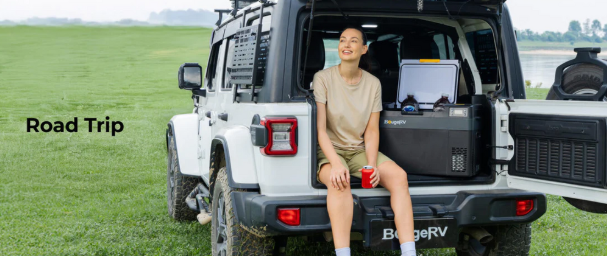
There’s nothing quite like hitting the open road for an adventure, but one challenge that often goes overlooked is keeping food fresh and safe during those long drives. Whether you’re embarking on a cross-country expedition or a weekend getaway, having fresh, quality meals can transform your travel experience from mundane to memorable.
I’ve spent countless hours on the road, and I’ve learned that proper food storage isn’t just about comfort—it’s about health, convenience, and making the most of your journey. In this guide, I’ll share the strategies and tools that have revolutionized the way I manage food on extended trips.
The Pre-Trip Preparation Strategy
Before hitting the road, preparation is your best friend. I always start by planning my meals strategically, choosing foods that naturally last longer and pack well for travel.
Smart Food Selection
I focus on foods that don’t require refrigeration for extended periods or can withstand temperature fluctuations. Hard cheeses, nuts, dried fruits, and whole grains are staples in my travel diet. For perishables, I opt for items like yogurt, deli meats, and fresh vegetables that I’ll consume in the first 24-48 hours of my trip.
Pre-Freezing Strategy
Before departure, I freeze items like water bottles, gel ice packs, and even some of my prepared meals. This serves a dual purpose: they keep other foods cold initially and then gradually thaw in cold water as the trip progresses. It’s an efficient way to maintain cooler temperatures without constantly replacing ice.
Investing in Proper Cooling Equipment
The most significant upgrade to my road-trip food management came when I invested in quality cooling equipment. While traditional coolers are reliable, modern solutions offer far more convenience and reliability.
The Game-Changer: Electric Coolers
I discovered that an electric cooler made all the difference in maintaining consistent temperatures throughout my travels. Unlike traditional coolers that rely on melting ice, electric coolers draw power from your car’s 12V outlet (or through a power inverter) to actively maintain your desired temperature.
What I appreciate most about my electric cooler for car is the consistent cooling performance. No matter how hot it gets outside or how many times I open it, the temperature stays regulated. This means I can confidently pack items like fresh produce, dairy products, and prepared meals without worrying about spoilage.

For trips where I’m away from the vehicle frequently, a battery-powered cooler has been a game-changer. This 12V portable electric cooler with a 240Wh battery gives me the freedom to keep food cold during activities away from the car. Whether I’m hiking, exploring a remote town, or spending time at a beach, I can maintain proper food temperatures without being tethered to my vehicle.
The battery capacity means several hours of independent cooling, which covers most day-long excursions. I typically charge it when the vehicle is running, and it’s ready for my next adventure.
Organization and Layering Techniques
Even with excellent cooling equipment, how you organize your cooler matters significantly for accessibility and temperature maintenance.
Strategic Layering
I’ve found that organizing items in layers optimizes both space and cooling efficiency. I place temperature-sensitive items like dairy and meats in the coldest zone at the bottom, with vegetables and less sensitive items on top. This arrangement prevents warm items from warming cold items when I need to access something quickly.
Compartmentalization
Using separate containers or shelves within my cooler prevents flavors from mixing and makes it easier to locate items. I dedicate specific sections for drinks, prepared meals, and ingredients. This system also helps me keep track of what needs to be consumed first, reducing food waste.
Smart Consumption Planning
Keeping food fresh isn’t just about storage—it’s about a consumption strategy that works with your cooling system.
The First-In, First-Out Method
I plan my meals so that the most perishable items are consumed first. This means fresh berries and delicate vegetables in the first two days, followed by heartier vegetables and proteins, and finishing with shelf-stable options. This approach works in harmony with my cooling system and ensures minimal waste.
Meal Preparation
Before long trips, I prepare some meals that can be reheated on a portable stove or campfire. Prepared pasta dishes, stir-fries, and soups freeze well and can be thawed and heated easily, reducing my reliance on keeping raw ingredients fresh throughout the entire journey.
Maintaining Temperature Control
Beyond equipment, I’ve learned several practical techniques to maintain optimal temperatures during travel.
Minimize Door Open Time
Every time I access the cooler, cold air escapes. I minimize this by knowing exactly what I need before opening it. Planning meals means fewer “browsing” moments that waste energy and let the temperature rise.
Parking Strategy
When parked, I try to keep my vehicle in shaded areas and use sun shades to reduce interior heat. In extremely hot conditions, I’ll even park strategically to ensure the cooler is in the shadiest part of my vehicle.
Avoid Warm Items
I never place warm or room-temperature food directly into the cooler. Allowing hot meals to cool to room temperature first prevents unnecessary heat transfer that can warm other contents.
The Hygiene Factor
Keeping food fresh is inseparable from keeping it safe. I maintain strict hygiene practices throughout my travels.
Regular Cleaning
I clean my cooler weekly or whenever I notice any spills. A quick wipe-down with a mild bleach solution keeps bacteria at bay and prevents odors.
Temperature Verification
With electric coolers, many models include temperature displays. I regularly check that my cooler maintains the proper temperature (below 40°F for perishables). On longer trips, I use a separate thermometer as backup verification.
Practical Accessories That Make a Difference
Over time, I’ve accumulated several accessories that enhance my food-keeping strategy:
- Insulated containers: For meals I’ll eat during the day
- Vacuum-sealed bags: For organizing items and maximizing space
- Freezer packs: Reusable alternatives to ice that don’t leave water behind
- Portable cooler bag: A smaller insulated bag for shorter excursions away from the main cooler
Conclusion
Keeping food fresh during long road trips is entirely achievable with the right combination of planning, equipment, and techniques. I’ve learned that investing in modern cooling solutions, particularly a portable battery-powered cooler, removes significant stress from my travels.
The peace of mind that comes with knowing my food will stay fresh and safe throughout my journey makes every trip more enjoyable. Whether you’re a casual road tripper or someone who regularly embarks on extended adventures, these strategies and tools will help you maintain fresh, quality meals whenever you hit the r