
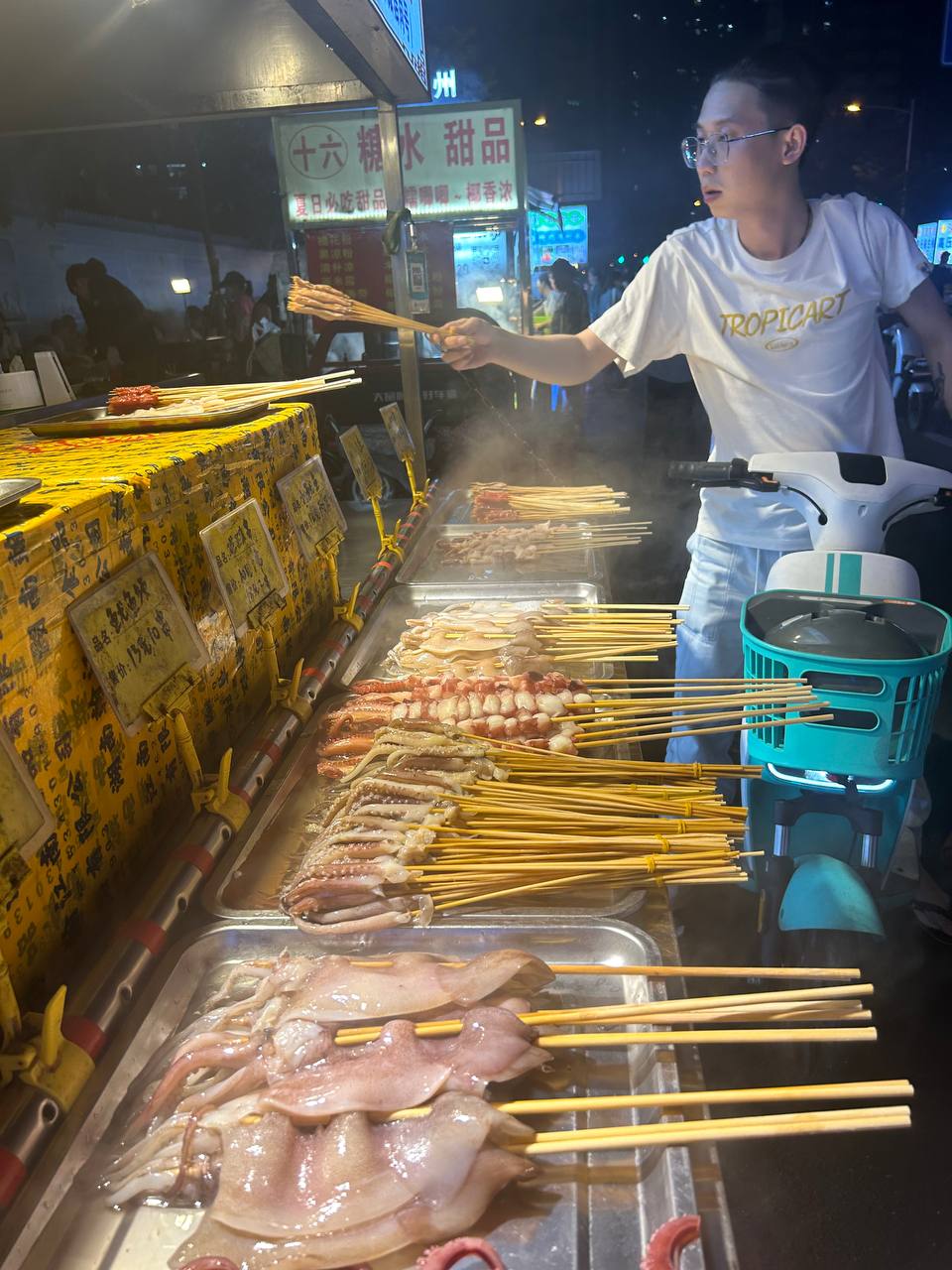
Food travelers are not hunting the cheapest seat first. They are protecting appetite, sleep, and time on the ground. A late landing in Bangkok can mean missing the last round of moo ping smoke near Victory Monument. A 5 a.m. arrival in Mexico City can wreck the first taco crawl before it starts. So flight choice becomes part of the meal plan. Before booking, careful eaters read route notes, airport maps, refund rules, and AltosTravel customer reviews to see how a ticket seller handles delays, changes, and real people with tight food schedules. One bad connection can turn a dumpling day into airport coffee.
Landing time beats ticket price
The smartest food-focused itinerary starts with the clock, not the fare calendar. Night markets, bakery lines, fish auctions, and hawker stalls run on human routines. They do not wait for a passenger stuck at immigration.
A traveler chasing bak chor mee in Singapore should prefer a morning arrival, even if it costs 40 dollars more, because the first day still has lunch, dinner, and a jet-lagged supper. For Naples pizza, a midday landing leaves time to drop bags, walk, and queue before the oven cools after the rush. Tiny margin. Big difference.
Connections matter too. A 55-minute change in Doha may look efficient on a screen, but it gives no room for a late boarding bus or a gate swap. Food travelers who care about one famous stall should choose a boring two-hour buffer. Boring is good here. It keeps the first plate in play.
Airport choice shapes the first bite
Big cities love to trick visitors with airport names. Tokyo has Haneda and Narita. Milan has Linate, Malpensa, and Bergamo. The wrong airport can add an hour, a tired train transfer, and one missed bowl of noodles.
Food travelers compare the landing airport with the neighborhood where eating starts. In Istanbul, a hotel near Kadıköy changes the math because the ferry ride is part of the day, not dead time. In London, Gatwick to Borough Market is not the same as London City to Whitechapel for a beigel stop. Maps settle arguments faster than airline filters.
Ground transport hours deserve a look before payment. Some airport trains stop early. Ride-hailing prices spike after rain or a football match. A person landing in Kuala Lumpur after midnight should know whether the kitchen target is open at 2 a.m., and whether the ride costs more than dinner. This is where food planning gets real.
Baggage rules matter more than souvenirs
Street food trips look light until jars, spice packets, coffee beans, and a carbon-steel knife appear in the bag. Then the cheap fare starts biting. Low base prices with strict cabin limits punish anyone returning with cacao from Oaxaca or pepper paste from Chengdu.
Checked luggage is not always the answer. On a short hop, waiting 35 minutes at the belt can kill a breakfast plan. On a long trip, though, one checked bag allows safer packing for sauces and ceramics. The better choice depends on the last day, not the first. Simple test: if the traveler plans to buy liquids or fragile bowls, the fare needs baggage room.
Carry-on rules also affect airport eating. A tight personal-item ticket means no spare tote for snacks after security. No fun. People who graze in terminals should leave space for a pastry box, a water bottle, and the small packet of chili oil that somehow follows every serious eater home.
Layovers can feed the plan
A layover is not dead space if the airport makes sense. Seoul Incheon gives enough breathing room for showers, lockers, and a quick train into the city on a long stop. Taipei Taoyuan works for beef noodle soup if the gap is six hours or more. Three hours? Stay put.
Food travelers should price layovers like meals. A cheaper ticket with nine hours in Frankfurt might buy a proper schnitzel lunch and a walk along the Main, which sounds better than sitting near a charging pole. A cheap overnight stop without sleep is different. It steals the next morning.
Visa rules need checking before any grand snack plan. Some passports pass through easily. Others need paperwork days ahead. Airport storage also matters because nobody wants to drag a roller bag through a wet market at noon. The good move is plain: pick one target dish, one backup spot, and one hard return time. If the line is too long, leave. The flight matters more than the skewer.
Before paying, the traveler can write the first eating goal beside each flight option. If the timing protects that plate, the ticket is worth a second look. A note in the calendar keeps the choice honest later and less rushed.