
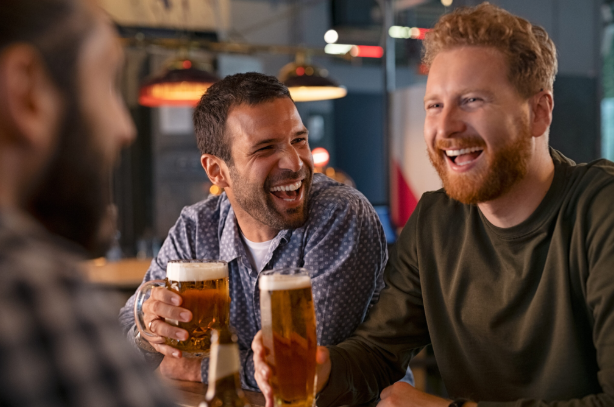
Bouncing between street food stalls in Saigon and craft beer trailers at European festivals teaches you pretty quickly that a great drinking experience is rarely just the liquid in the glass. You still want something worth drinking, but the gap between a one-off pitstop and a place you’d happily make your regular is wider than the tap list alone.
On the road or at the local pub, I’ve noticed the same things matter to people over and over. I’ve been reading some of what BevWire has pulled together from the trade press and surveys, and a few patterns keep showing up that are worth keeping in mind whether you’re traveling or staying put.
The Taproom Vibe: Acoustics Over IPAs
You walk into a brewery that’s rated well online, order a hazy IPA that lives up to the hype, and then you’re shouting across the table just to hear the person sitting next to you. A lot of newer taprooms went heavy on industrial chic: poured concrete, exposed steel, not much to soak up sound. That combination bounces noise around until a casual Friday starts to feel like a workout for your voice, and it always sucks straining to hear what friends and family are saying.

Not much sound absorption going on in this drinking environment
BevWire ran a piece recently on what turns someone into a taproom regular, and one point that stuck with me was how much the room itself shapes how long you stay. You might have come for the board, but once you’re inside, volume and comfort pile on fast in a way that’s easy to underestimate until you’re stuck in it. Hospitality data often puts manageable ambient noise in the 70 to 75 decibel range, and nudging it down into that band has been tied to longer dwell time, sometimes upward of 30 percent, compared with louder rooms.
Most people I talk to rank being able to hear their companions pretty high, along with clean restrooms and quick service, compared with chasing every limited drop on the board. A solid smash burger or tacos from a truck out back can make a middling pale ale feel like part of a great night, but a room that’s loud enough to hurt conversation can wear down even a stellar stout. I’d rather have beer and surroundings that match each other than a trophy taplist in a room I can’t wait to leave.

The Brown Jug in Ann Arbor, MI: An example of a taproom style I like for socializing.
The Label Lottery: Buying Beer on the Go
Draft isn’t the whole story. Sometimes you’re grabbing cans from a bodega or a bottle shop to go with takeout or street food. Craft shelves are packed with loud artwork and busy layouts, so the honest question is how you decide what’s worth opening your wallet for.
BevWire’s write-up on what people actually read on beer labels pointed to how little time you get to decide. Buyers often give a label something like three to five seconds before they move on or reach for something else.

Examples of some modern beer labels: would you purchase these at a glance?
If the ABV, style, and packaged-on date don’t jump out in that glance, roughly 60 percent of seasoned buyers will put the can back on the shelf. The date matters as much as anything else here. The volatile side of hop aroma starts falling off in a noticeable way after about sixty to ninety days for a lot of those beers, and “cold stored” still doesn’t mean it left the brewery last week. When you’re pairing with food from a stall or a window, you’re looking for something that still tastes like it was meant to, not something that’s been sitting warm for half a year because the label looked interesting. I’ve started treating brands that put the numbers where I can find them as the default when I’m buying cold, and saving the pretty chaos for when I already know what’s inside.