
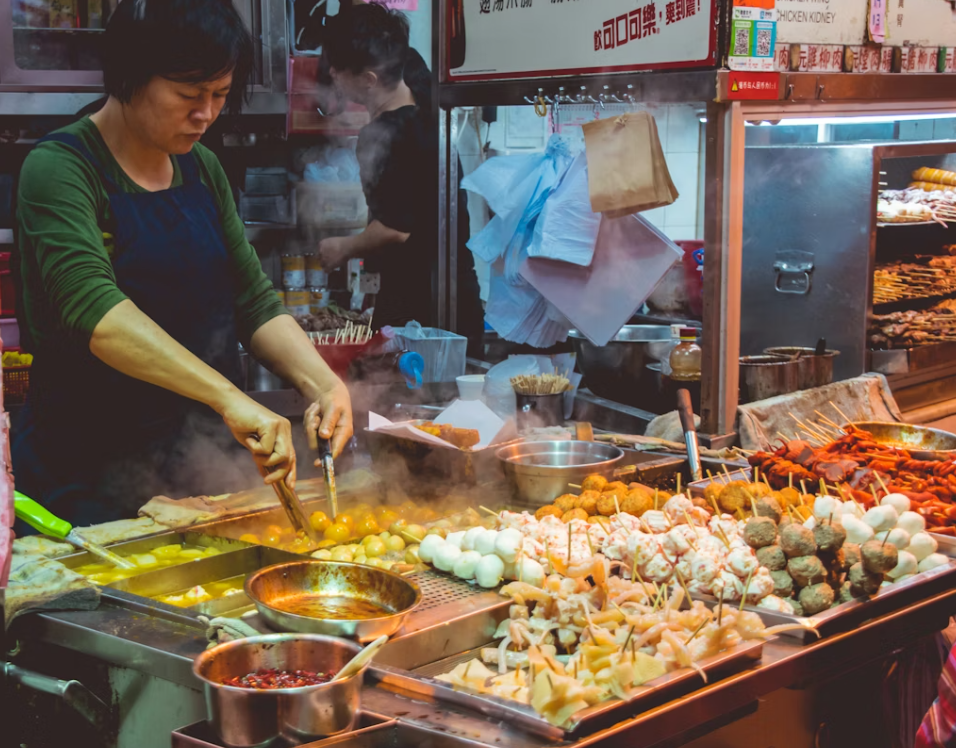
Street food markets in Bangkok, Hanoi, and Chengdu share something in common: the dishes people line up for are rarely as complicated as they look. Behind the smoke, the sizzle, and the speed are a handful of techniques anyone can learn. With the right ingredients, a bit of patience, and a solid game plan for your prep work, you can bring those flavors home without booking a flight.
Popular Asian street food dishes like pad Thai, banh mi, and dan dan noodles are absolutely achievable at home. The secret is breaking your prep into focused blocks, understanding each component, and timing the tricky parts, like broth and dumplings, with precision. This guide walks you through all of it, step by step.
Why Asian Street Food Translates So Well to Home Cooking
Street food vendors operate under serious constraints. Small carts, limited equipment, and high volume. That pressure has produced cooking methods that are efficient, bold, and repeatable. These are not precious restaurant techniques. They are workhorse methods designed to produce consistent results fast.
That is actually good news for the home cook. You do not need a professional kitchen. You need a wok, a sharp knife, and a few pantry staples that are now easy to find at most grocery stores or Asian supermarkets.
Asian cuisine covers an enormous range of dishes, each with its own flavor logic, but street food tends to share some common principles. Balance is everything. Sweet, sour, salty, umami, and heat all working together. Miss one and the dish falls flat. Nail all five and you have something genuinely special.
Pad Thai: The Benchmark Dish
Pad Thai is the dish most home cooks attempt first, and it is often the one that disappoints. Soggy noodles, watery sauce, or a one-note sweetness. The good news is that every one of those problems has a simple fix.
Getting the Noodles Right
Use flat rice noodles, about 3mm wide. Soak them in room temperature water for 30 minutes until pliable but still firm. Do not boil them. They will finish cooking in the wok. If you boil them ahead of time, they turn to mush.
The Sauce Ratio That Actually Works
The classic pad Thai sauce has three ingredients in roughly equal parts: tamarind paste, fish sauce, and palm sugar. A ratio of 3 tablespoons each is a solid starting point for two servings. Mix it before you start cooking. You will not have time to measure once the wok is hot.
Wok Technique at Home
The biggest challenge at home is heat. Professional woks get far hotter than a standard home burner. To compensate, cook in smaller batches. One to two portions at a time. Add your egg by pushing the noodles to one side and letting the egg set briefly before scrambling it into the mix. Work fast. The whole dish should take about four minutes over high heat once everything is in the pan.
Banh Mi Fillings: The Layered Approach
The banh mi sandwich is a masterclass in contrast. Crispy baguette, cool pickled vegetables, rich protein, fresh herbs, and a hit of chili. The bread matters, but the filling is where you have the most control at home.
The Proteins Worth Making From Scratch
Thit nuong (grilled pork) is the most common filling. Thin slices of pork shoulder marinated in lemongrass, fish sauce, garlic, sugar, and a touch of five-spice. Marinate for at least four hours, ideally overnight, then grill or pan-fry until slightly caramelized.
Pate is the other essential component. A chicken liver or pork liver pate, spread thin across the bread. You can absolutely buy this pre-made. Vietnamese-style pate is available at most Asian grocery stores and will save you significant time.
The Pickles You Cannot Skip
Do-chua, the pickled daikon and carrot, is non-negotiable. It takes five minutes to make and needs at least an hour to sit. Julienne equal parts daikon and carrot, toss with salt, rinse, then pack into a jar with a brine of one part white vinegar, one part water, and a few teaspoons of sugar. That tang cuts through the richness of everything else.
Finish with fresh cucumber slices, cilantro, sliced jalapeños, and a smear of mayonnaise. The layering matters. Fat (pate, mayo) goes on the bread first, then protein, then pickles and fresh herbs on top.
Dan Dan Noodles: Spice, Depth, and Texture
Dan dan noodles come from Sichuan, where the cooking is built around the mala flavor profile: numbing heat from Sichuan peppercorns combined with the fire of dried chilies. The result is addictive in a way that is hard to describe until you have tried it.
Building the Sauce Base
The sauce for dan dan noodles is made in the bowl, not the pan. You mix the components, then pour hot noodles and broth over them, which blooms the spices and brings the sauce together.
A standard dan dan sauce per serving includes:
- 1 tablespoon sesame paste or tahini
- 1 tablespoon soy sauce
- 1 teaspoon Chinese black vinegar
- 1 teaspoon chili oil (more if you like heat)
- Half a teaspoon of ground Sichuan pepper
- A small pinch of sugar
- 2 tablespoons of the noodle cooking water
The Pork Topping
The meat component is dry-fried minced pork. Brown pork mince in a dry wok with Shaoxing wine, soy sauce, and a handful of yacai (preserved Sichuan vegetables). Cook until the pork is slightly crispy and deeply savory. This is what gives the dish its texture and keeps each bite interesting.
The Productivity Approach That Actually Helps in the Kitchen
Here is something nobody tells you about cooking these dishes at home: the prep is the hard part, not the actual cooking. Marinating, making sauces, soaking noodles, and pickling vegetables. These are all separate tasks that can feel overwhelming if you try to tackle them at once.
A pomodoro timer works surprisingly well here. Set 25-minute focused work blocks for each prep task. One block for the marinade. One block for the pickle brine. One block for the sauce work. Short breaks in between. It removes the mental load of juggling everything at once and keeps you from the kind of kitchen fatigue that leads to shortcuts and mistakes.
This approach is especially useful when you are cooking two or three dishes in one session, which is common if you are hosting or prepping meals for the week ahead.
Dumplings and Ramen Broth: Where Timing Is Non-Negotiable
Some components in Asian street food cooking require absolute precision. Overcooked dumplings fall apart. Undercooked ramen broth lacks depth. These are the moments where guessing gets you into trouble.
Dumpling Cooking Times
For boiled dumplings (shui jiao), bring water to a boil, add dumplings, then add a cup of cold water when the water returns to a boil. Repeat this twice. The dumplings are done about 30 seconds after they float consistently.
For pan-fried dumplings (potstickers), you need about two minutes to brown the bottom, then add water, cover, and steam for another four to five minutes. For steamed dumplings, size matters. Small dumplings like har gow take about seven minutes. Larger ones like xiao long bao need eight to nine.
Ramen Broth: The Long Game
Tonkotsu broth needs a minimum of four hours at a rolling boil to break down the collagen in the bones and achieve that milky, creamy consistency. Chicken paitan broth follows similar logic, usually three to four hours.
A countdown timer set to your target broth time keeps you from losing track during a long cook. It also helps you catch the window for adding aromatics, which typically happens in the final 30 minutes to preserve their brightness.
Other Timing-Sensitive Moments
- Soft-boiled ramen eggs (ajitsuke tamago): Exactly six and a half minutes in boiling water, then immediately into an ice bath for five minutes
- Rice noodles for pho: Blanch fresh noodles for 30 seconds maximum
- Bao buns: Steam for exactly 12 minutes. Open the lid too early and they collapse
- Fresh wonton wrappers in soup: Two to three minutes once the broth is at a full boil
From Street Cart to Your Own Table
The first time you make pad Thai or dan dan noodles at home, it will take longer than expected. That is normal. The second time, you will be faster. By the third, the process starts to feel natural and the results start to match what you remember from a hawker stall or a noodle shop.
The key is not trying to replicate everything at once. Pick one dish. Learn it properly. Then add another. Over a few months, your pantry fills up with the right ingredients, your technique sharpens, and cooking Asian street food at home stops feeling like a project and starts feeling like a reliable pleasure.
The flavors are all there, waiting in your kitchen. All you need is a plan and a little patience.